Business stationery design: from letterhead to template

We design your business stationery
Business stationery plays an outstanding role in a company’s image, as it is its visual and physical representation in the business world. Business stationery is a fundamental component of brand identity.
Additional brand identity services:
Brand Identity Logo Design Logo Redesign Brochure Design Design Style Guides Flyer Design

Would you like to have letterhead and business cards designed?
Take the first step toward a professional brand image! We’ll advise you with no obligation and without using technical jargon.
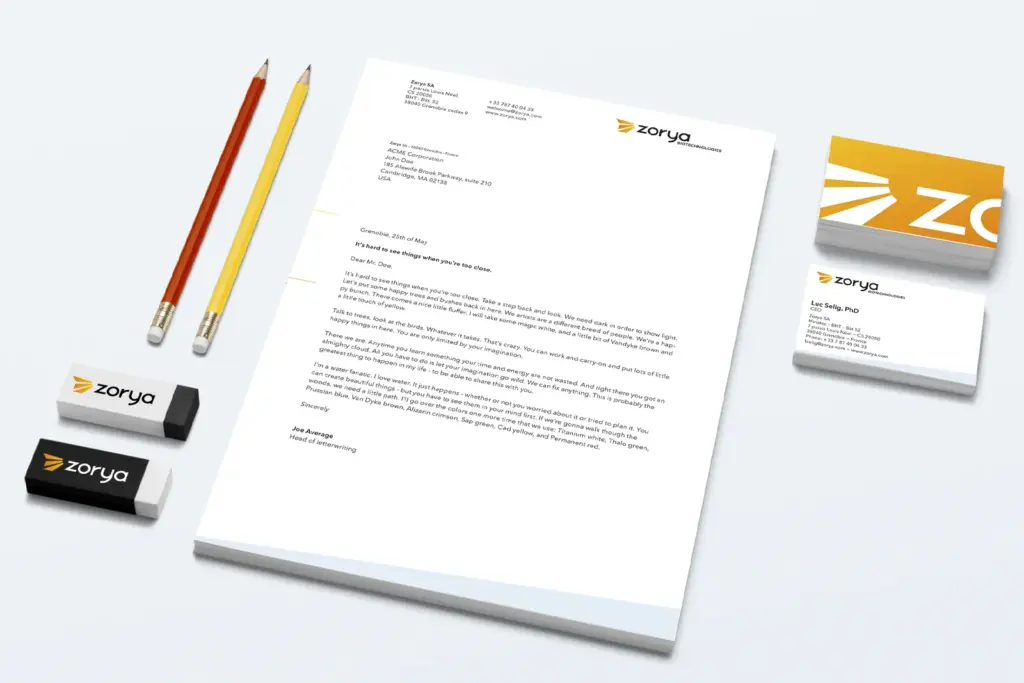
The basic set includes letterhead and business cards, which are necessary for daily communication with customers and business partners. They ensure a consistent look, reinforce brand identity, and increase brand recognition.
- Brand Consistency: Business stationery is a physical embodiment of the brand strategy and helps build and maintain a consistent brand image.
- Professional Image: High-quality business stationery conveys professionalism and attention to detail, which strengthens trust in the brand.
- Communication: Every element is an opportunity to communicate the brand message and increase visibility.
Professional business stationery establishes a consistent brand image with high brand recognition for your company.
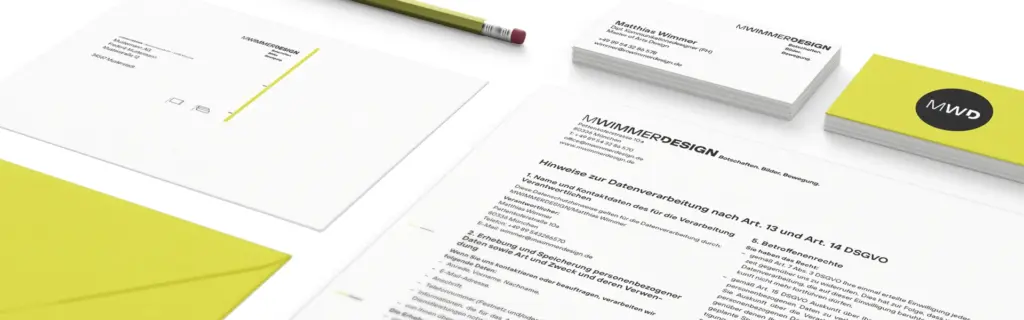

Are you ready for a professional brand design?
Whether it’s brand identity, a website, or animation: Let’s discuss, with no obligation, how we can effectively showcase your company.
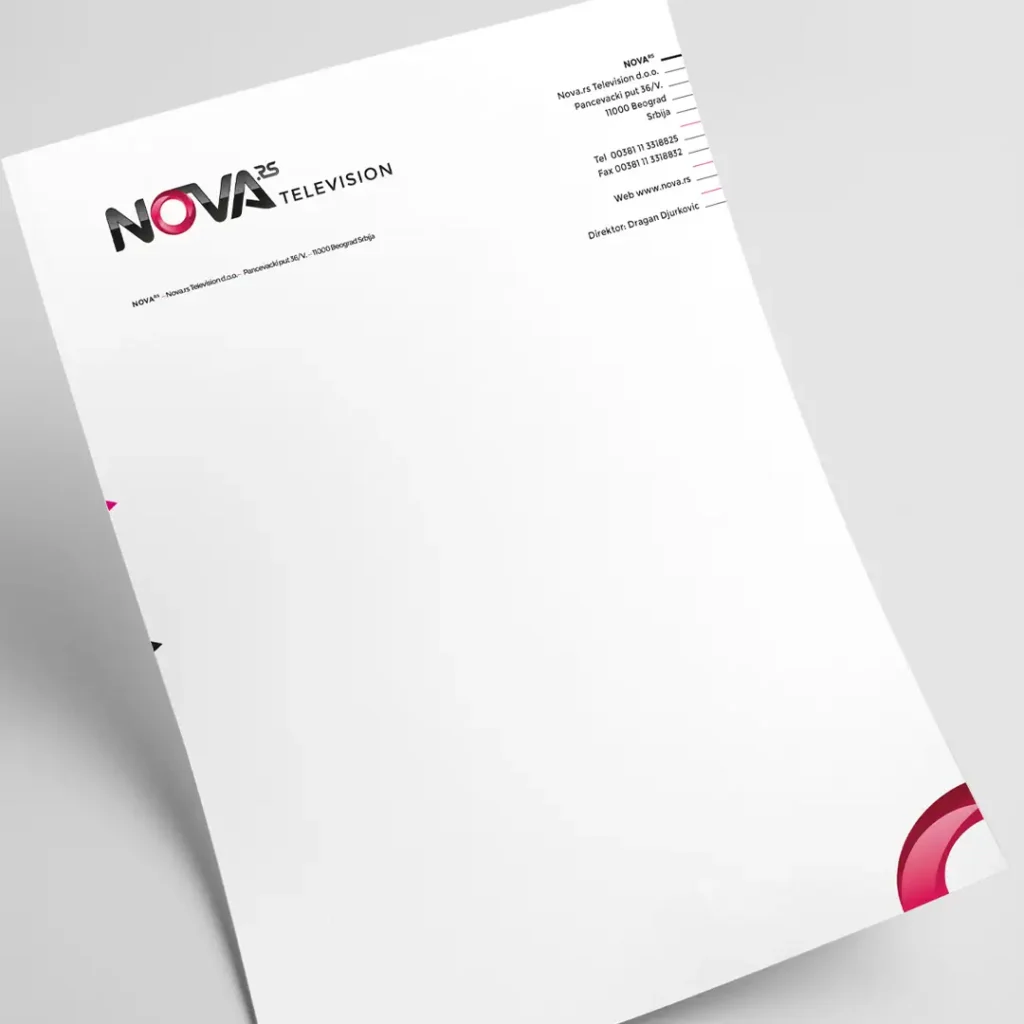
Letterhead and business cards: the foundation of your business stationery
All business documents feature the company logo and incorporate the brand identity to represent the company in all business communications and increase brand recognition.
Digital business documents in the brand identity
In today’s business world, digital solutions such as Word templates and PDF formats are becoming increasingly important. These modern alternatives to traditional paper letterhead enable efficient and flexible business communication that is both environmentally friendly and cost-effective.
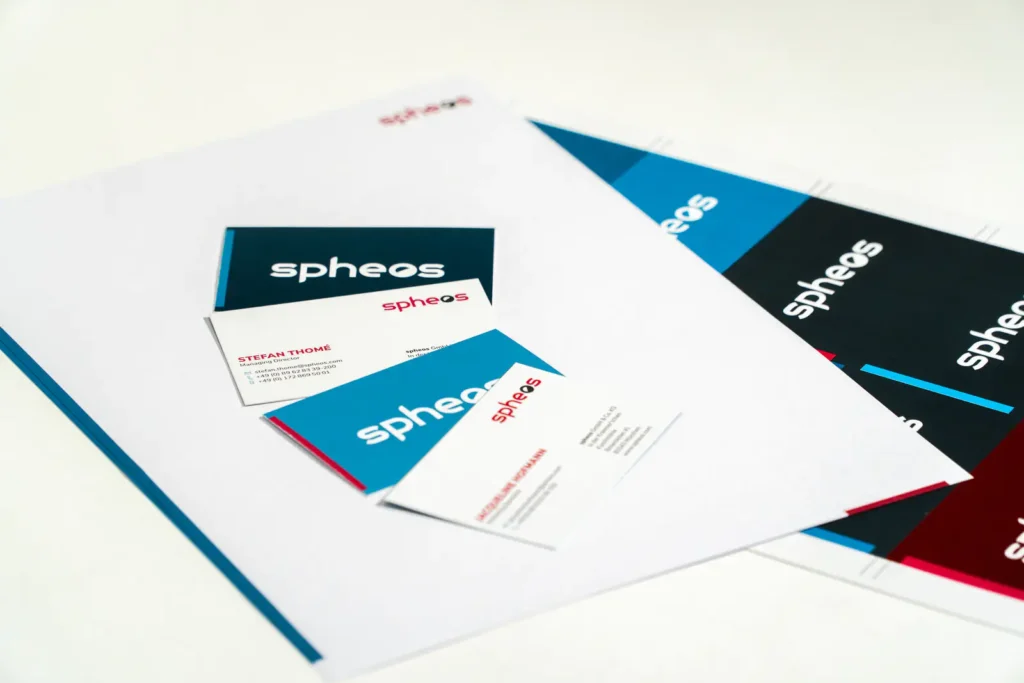
Word templates for digital stationery
Word templates ensure that correspondence always adheres to the correct visual brand standards. These digital templates allow for easy customization and editing for different occasions and recipients, while ensuring a consistent brand presence. Incorporating the company logo, color scheme, and typographic guidelines into a Word template ensures a consistent look and feel.
PDF formats for digital documents
PDFs are a reliable solution for sending documents that must not be altered. They ensure that the recipient sees the document exactly as it was sent, regardless of the software or fonts available on the recipient’s device. This is particularly important for official documents, contracts, or proposals where the integrity of the content is essential.
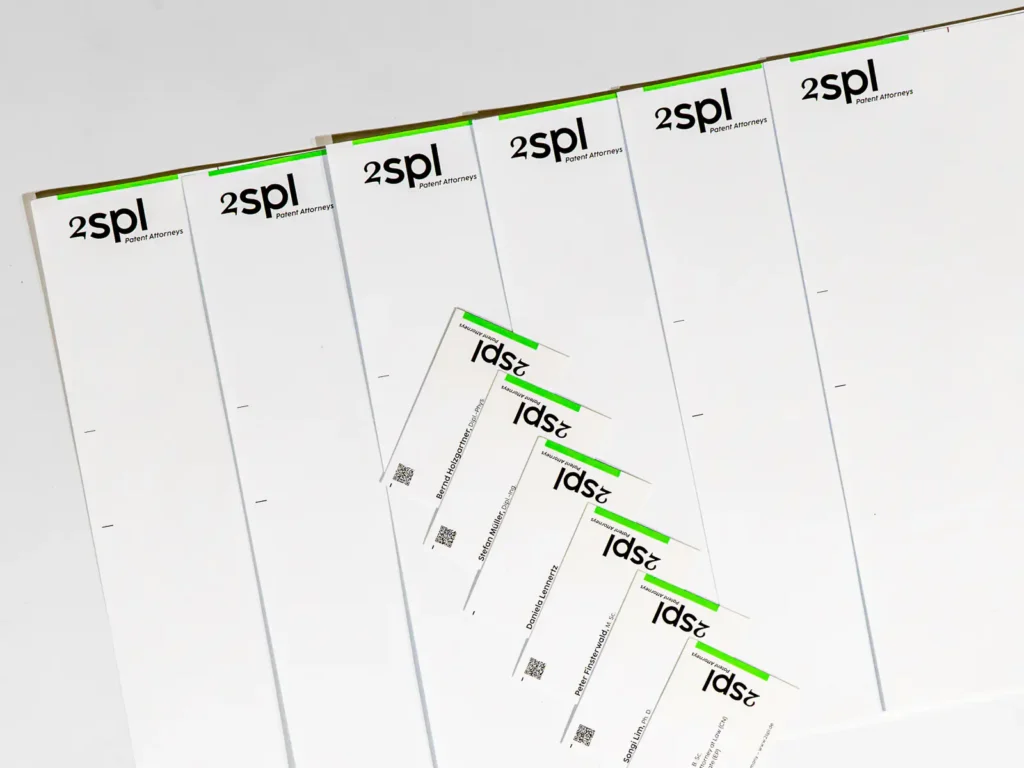
Letterhead and Business Card for 2SPL
The added value of digital letterhead solutions
- Speed and efficiency: Creating and sending letters digitally saves time and resources by eliminating the printing and mailing process.
- Flexibility: Digital solutions make it possible to quickly update and customize documents.
- Environmental friendliness: Reduced consumption of toner and printing materials contributes to sustainable business practices.
- Availability: Digital documents can be easily stored, searched, and reused as needed, simplifying the organization and management of business communications.
- Accessibility: When created appropriately, digital documents can be read by screen readers and help meet accessibility requirements.
Individual business cards for your company
Even in the digital age, business cards remain an indispensable tool for exchanging contact information in person. Their design must reflect the corporate identity and clearly present all essential contact information.
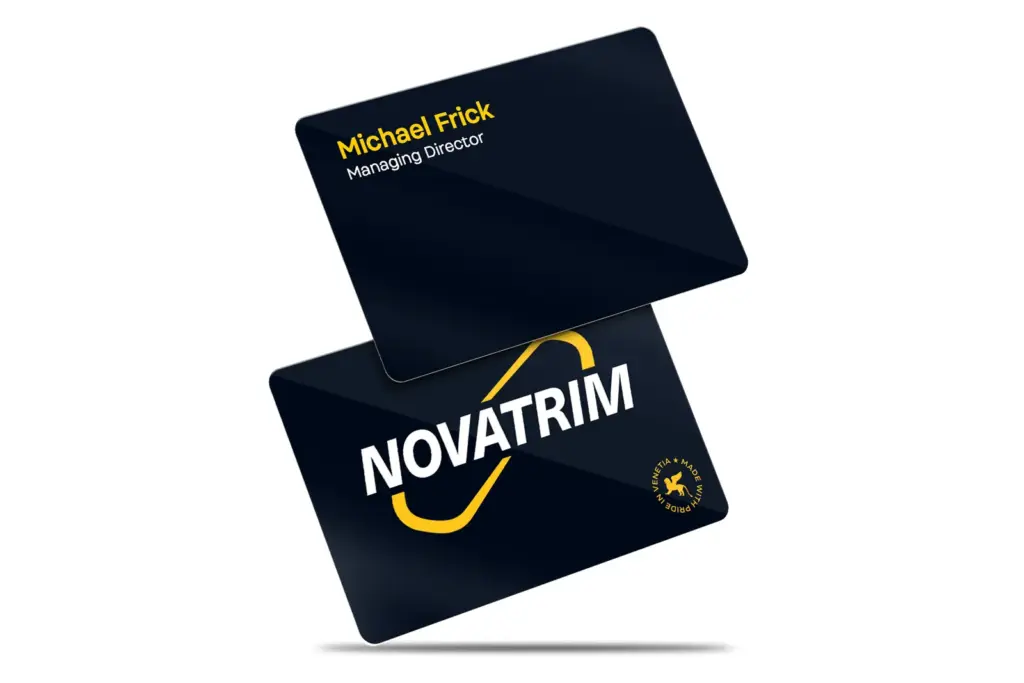
Modern technologies meet traditional networks
In an increasingly digitized business world, business cards are being innovatively upgraded through the use of modern technologies such as QR codes and NFC (Near Field Communication) chips. These technologies turn the classic business card into a tool that connects the physical and the digital world.
Business cards with QR codes
A QR code on a business card allows you to transfer additional information such as online portfolios, LinkedIn profiles, or company websites directly to the recipient’s smartphone with a simple scan. This is a quick and efficient way to share more detailed information without cluttering the card itself.
Business cards with NFC chips
NFC chips take interactivity to a whole new level. Data can be transferred simply by tapping the card with an NFC-enabled smartphone. This can include adding a contact to your address book, opening a website, or displaying a personalized message. NFC is an impressive way to connect with others and exchange information.
The additional value of technology-enabled business cards:
- Efficiency and convenience: The quick transfer of contact information and additional resources simplifies the networking process.
- Sustainability: The ability to share information digitally reduces the need for physical cards and promotes eco-friendly practices.
- Innovation: The use of QR codes and NFC chips signals openness to new technologies and can strengthen a brand’s modern, innovative image.
- Personalization: Technology makes it possible to share personalized content that goes beyond basic information and provides deeper insight into the brand’s offerings and corporate identity.
Your contact for business stationery design

Christoph Ehlers
Graduate in Communication Design (University of Applied Sciences)
Ready for a free initial consultation?
We’d be happy to meet with you on short notice: via video conference, over the phone, at your location, or here at our agency.
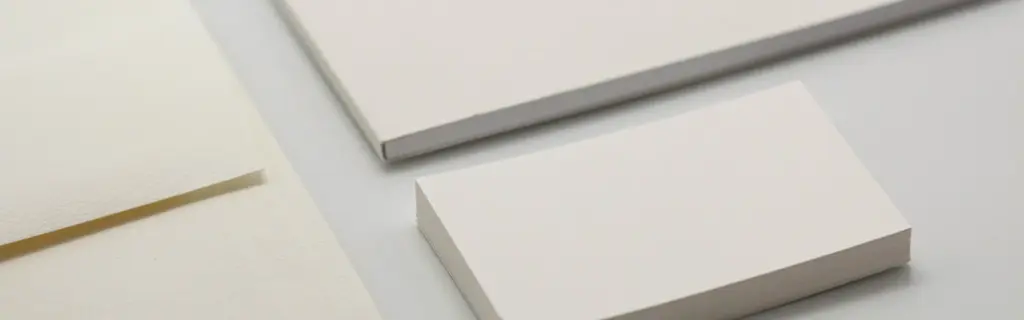
Choosing materials for stationery and business cards
The choice of paper for business stationery is important for the impression your company makes. In addition to its appearance, the texture and scent of the paper also play a role in reinforcing your brand identity. Choosing the right paper can influence how people perceive your organization’s quality, professionalism, and even environmental responsibility.
1. Paper weight and thickness:
Measured in grams per square meter (g/m²), paper weight affects the feel and durability of the paper. A higher weight generally indicates higher quality.
- Thickness: Thicker papers are more durable and are particularly well-suited for business cards and brochure covers.
2. Paper type and texture:
- Uncoated paper: Has a natural, matte finish and is well-suited for products intended for writing on, such as notepads or stationery.
- Coated paper: Has a smooth finish that produces vibrant colors and sharp images, making it ideal for brochures and flyers.
- Recycled paper: Shows that sustainability matters to you. However, it may vary in color and texture.
3. Color and brightness:
- Color: While white is the most commonly used color, a specific shade of white or even a light hue can reinforce a brand’s identity.
- Brightness: Determines how vivid and clear colors appear. Higher brightness values result in more vibrant colors and deeper contrasts.
4. Environmental sustainability:
- Certifications: Look for materials certified by environmental labels such as FSC (Forest Stewardship Council) or PEFC (Programme for the Endorsement of Forest Certification), which guarantee responsible forest management.
- Recycled Content: Paper with a high recycled content or made from alternative fibers can reduce your business’s environmental impact.
5. Costs:
- Prices vary widely depending on the paper’s quality, finish, and environmental certifications. Careful budgeting is important to strike a balance between quality and cost.




Professional presentation templates for brand communication
Presentation templates are an indispensable tool in business and brand communication, and their importance is growing. They provide a consistent foundation for presenting information and help ensure that messages are effectively conveyed to target audiences. Well-designed presentations convey professionalism and leave a lasting impression on the audience.
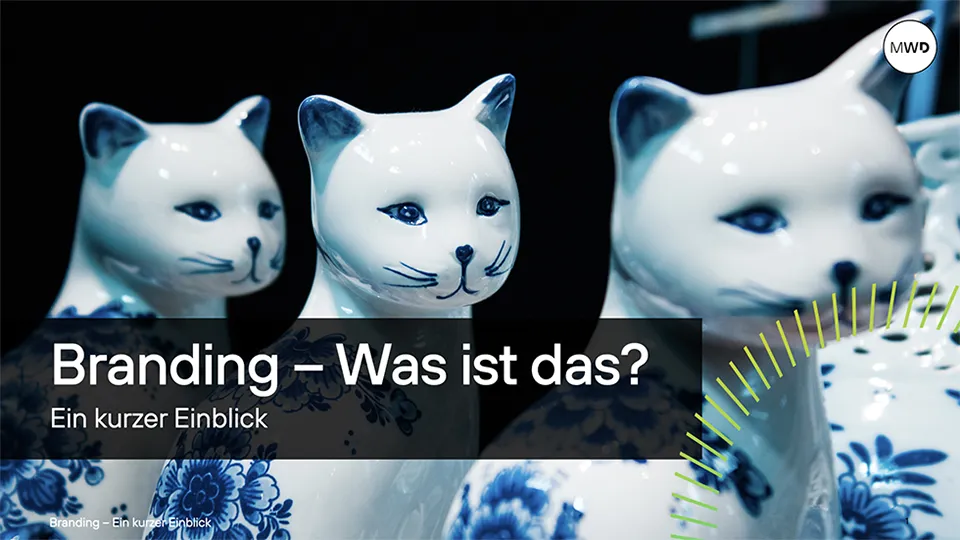
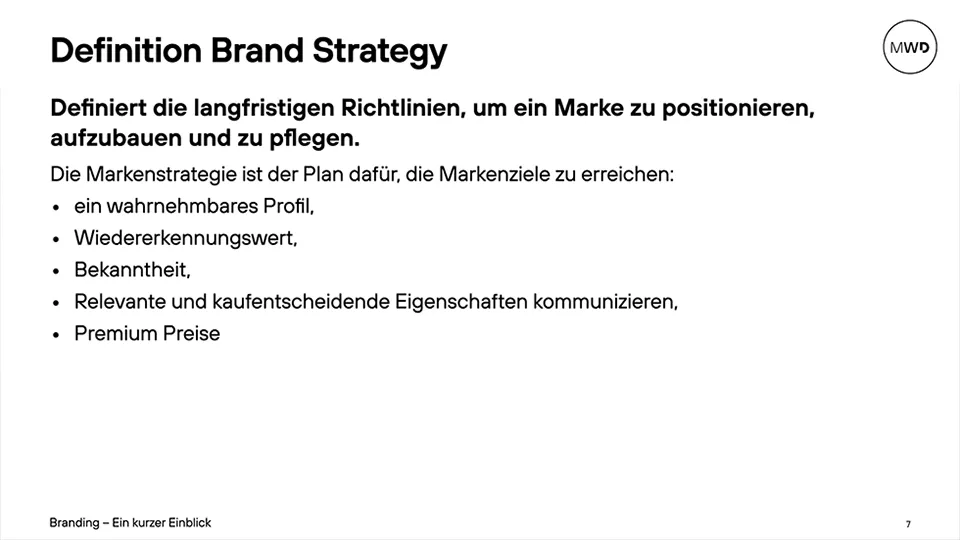
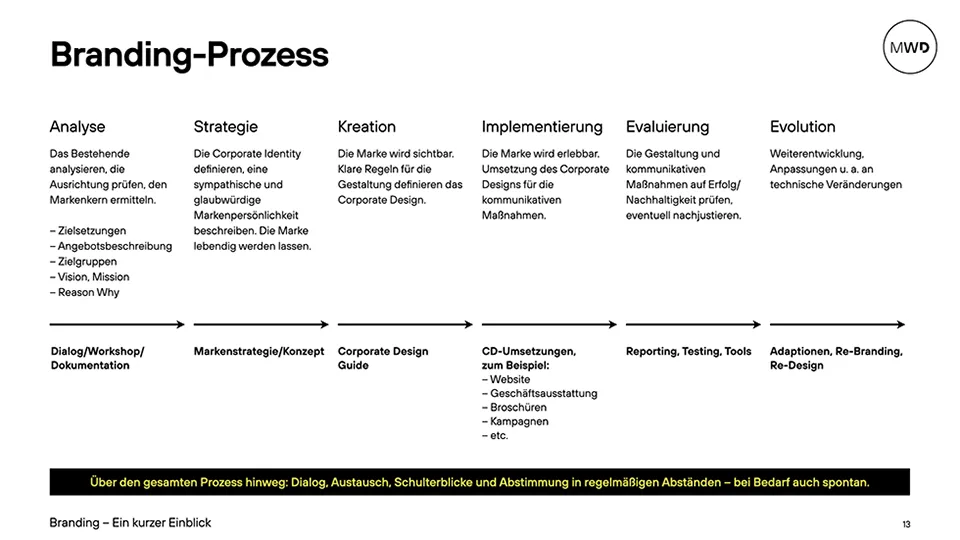
Modern technologies have revolutionized the development and use of presentation templates, and PowerPoint is just the beginning. Digital platforms such as Miro, Prezi, Google Slides, and Canva offer innovative ways to create and share creative presentations.
- PowerPoint: The classic presentation software offers extensive features for creating presentations that can be easily updated.
- Google Slides: A cloud-based solution that enables real-time collaboration, ideal for teams working together on presentations.
- Prezi: A moving alternative to classic slides by guiding viewers through a visually appealing narrative structure, which is particularly well-suited for storytelling-based presentations.
- Canva: An online tool that makes it easy to create presentations using a wide variety of templates and design elements.
- Miro: An online collaboration board that enables teams to work together in real time, visualize ideas, and create interactive presentations.
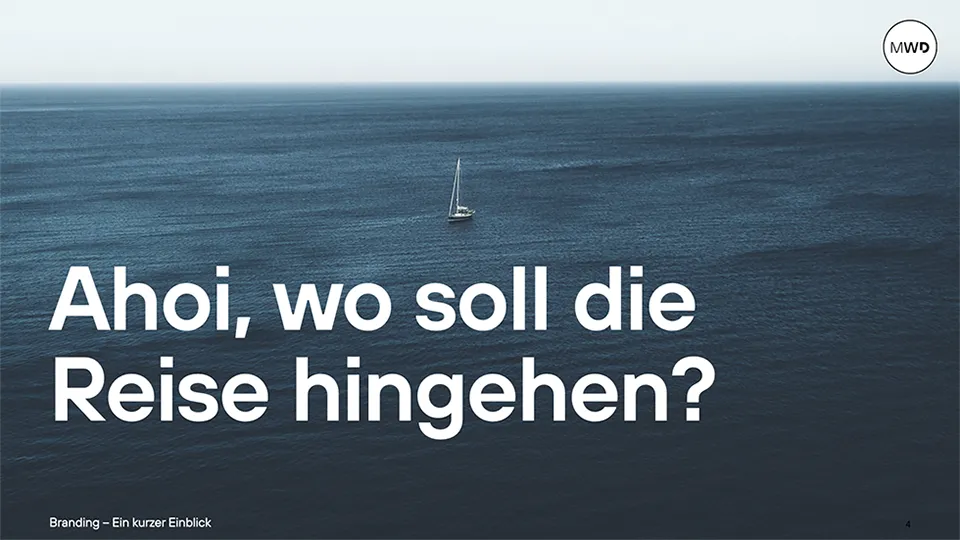
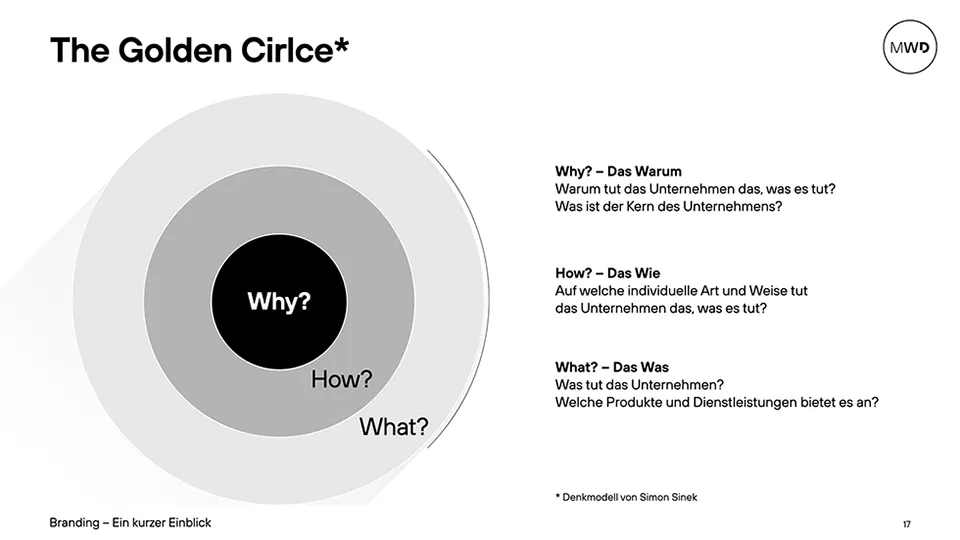
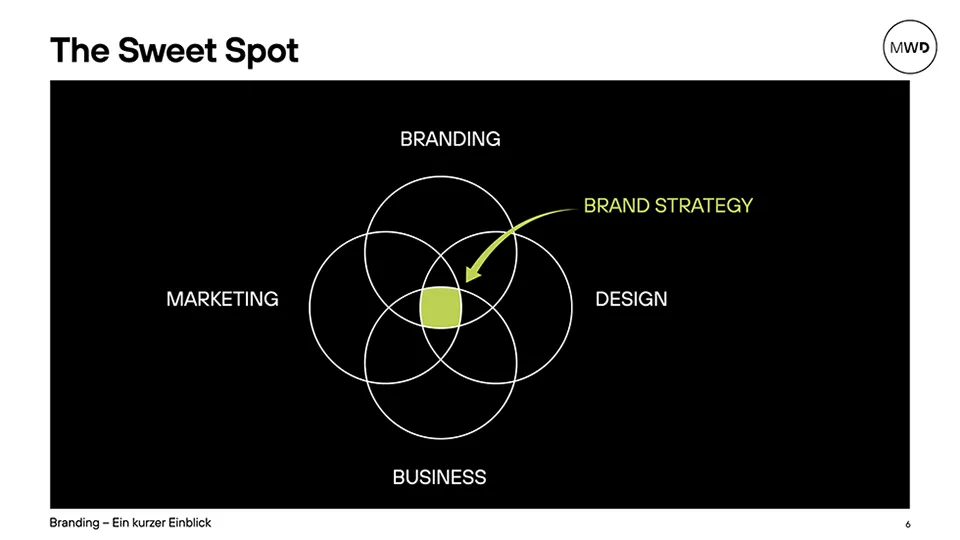
The advantages of digital presentation templates:
- Consistency and brand identity: Digital templates ensure that every presentation correctly follows the guidelines for typography, colors, and the logo.
- Flexibility and adaptability: Digital templates can be easily customized and updated to optimize them for different purposes and target audiences.
- Accessibility and sharing: Cloud-based solutions enable access to and sharing of presentations, regardless of the location of team members or the audience.
- Interactivity and engagement: Modern presentation tools support the integration of interactive features that engage the audience and simplify the communication of complex ideas.
Other items included in office supplies

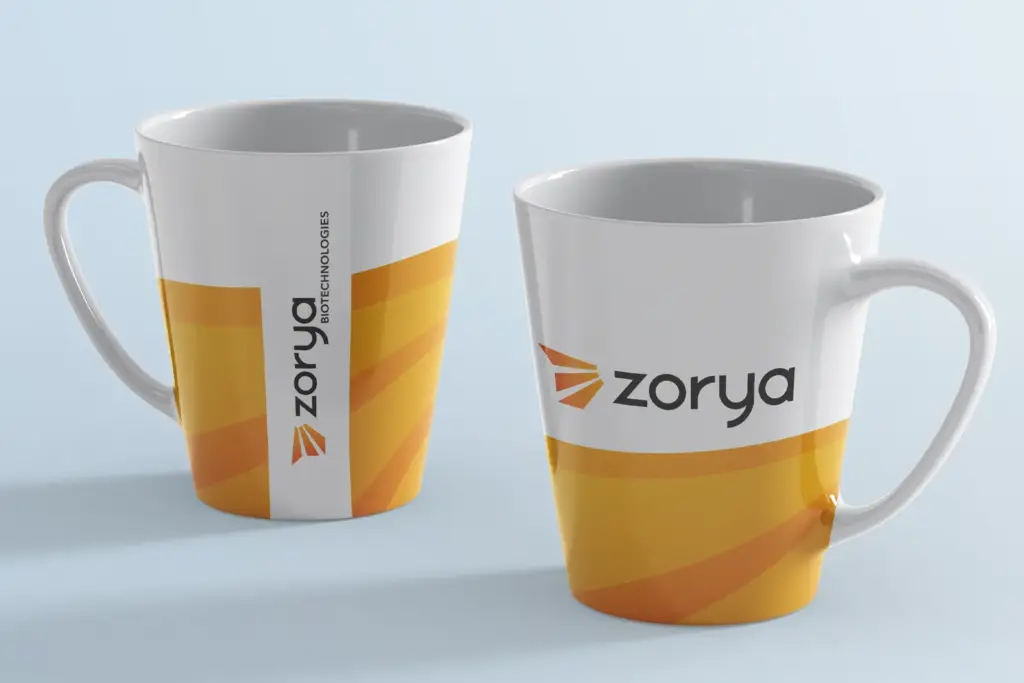
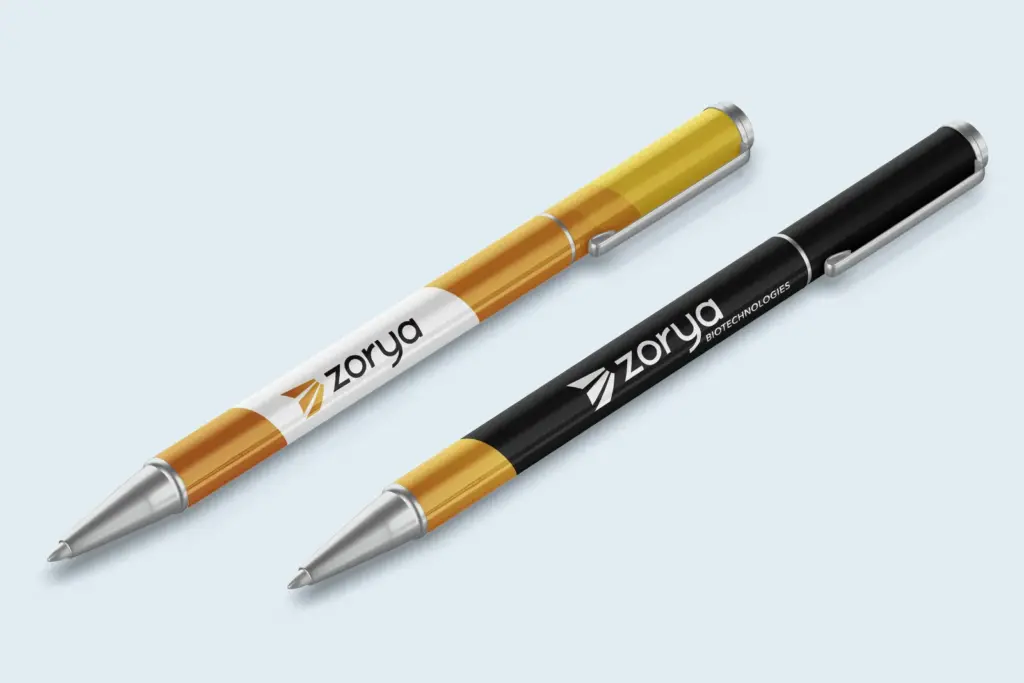
Promotional items such as pens, USB drives, and calendars are powerful tools for increasing your company’s visibility and brand awareness. By combining practical utility with daily visibility, they create a lasting impression of your company. These items can be distributed at meetings, trade shows, and corporate events.
Notepads and stationery: These also contribute to brand consistency and can be used during meetings or as promotional gifts.
Company signs and nameplates: They create the first impression and must therefore be carefully designed.
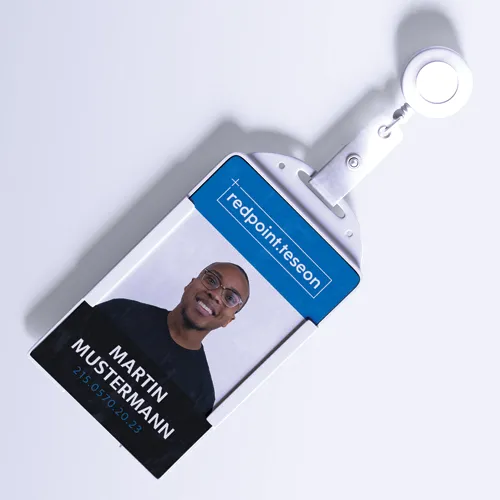

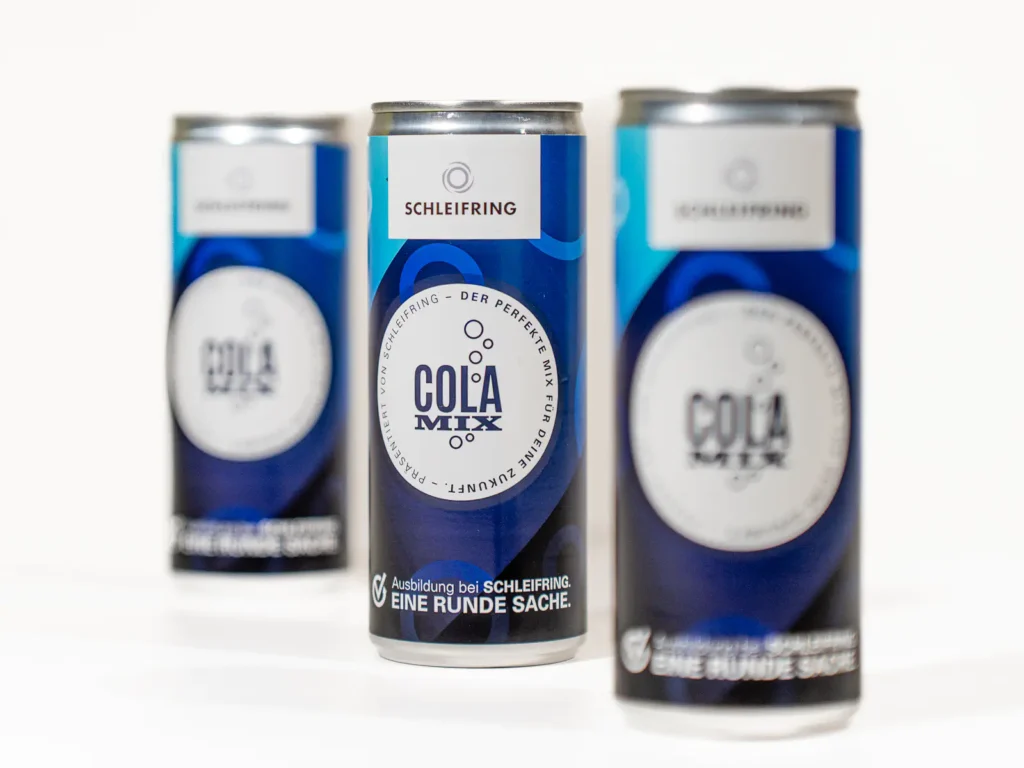
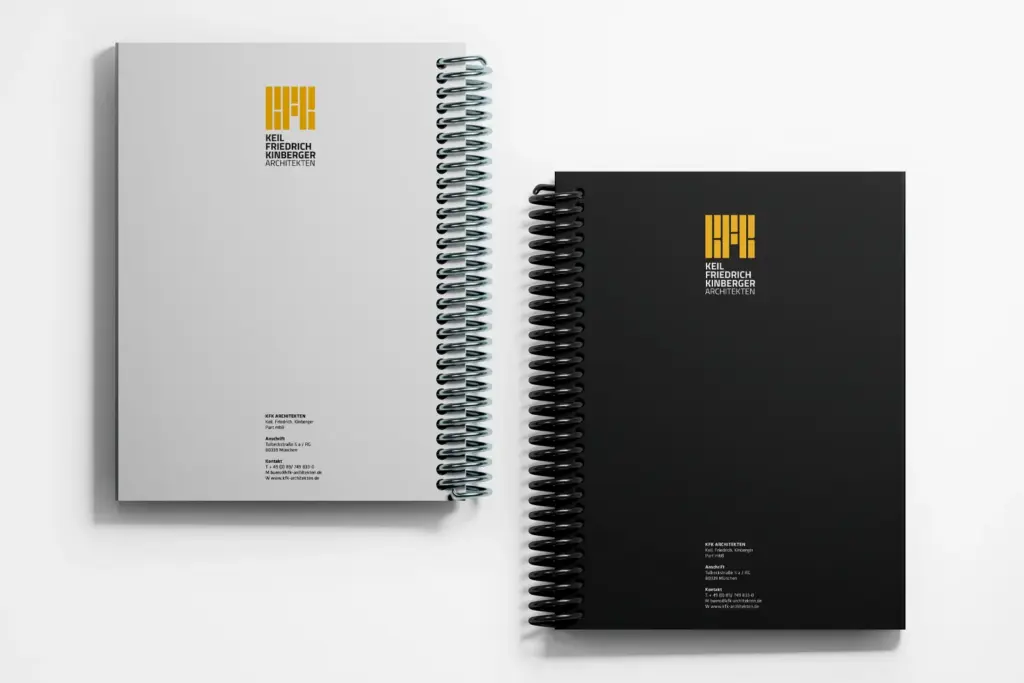
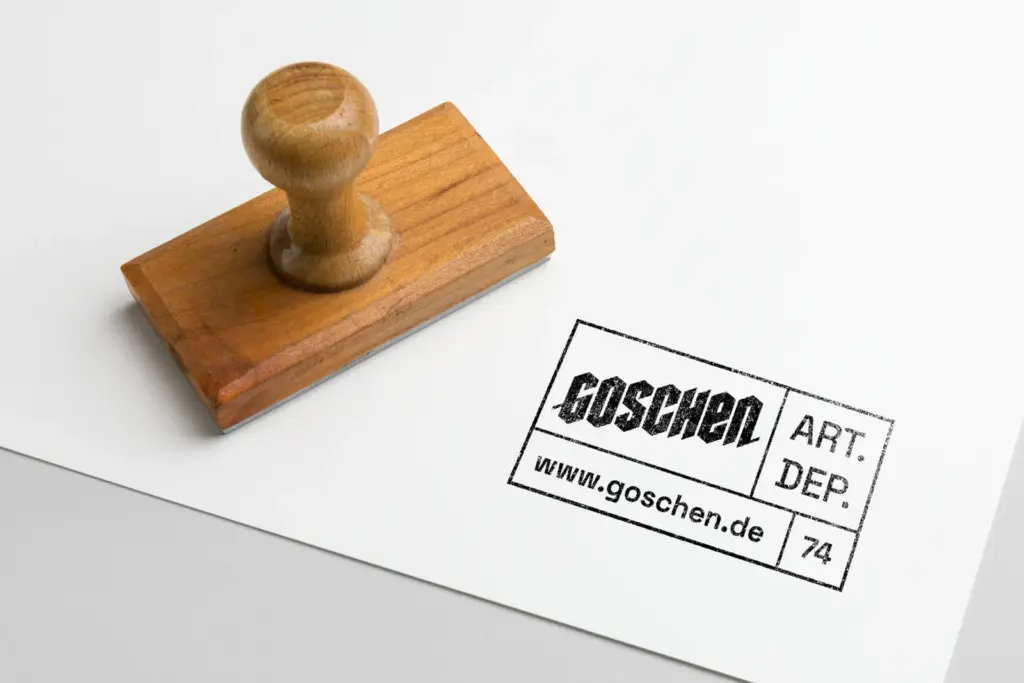
Address labels are not only practical, but also an effective branding tool. They identify your company as the sender and help create a modern image. Ideal for mailing documents, products, and marketing materials.
Folder spines featuring your company’s branding not only improve office organization but also improve internal brand perception. They ensure that documents can be quickly identified and strengthen your brand’s visual presence in the workplace.
An email signature is like a digital business card. It conveys professionalism and creates a consistent brand image in digital communication. Important contact information and links to your website or social media profiles can be included to make it easier to connect with others.
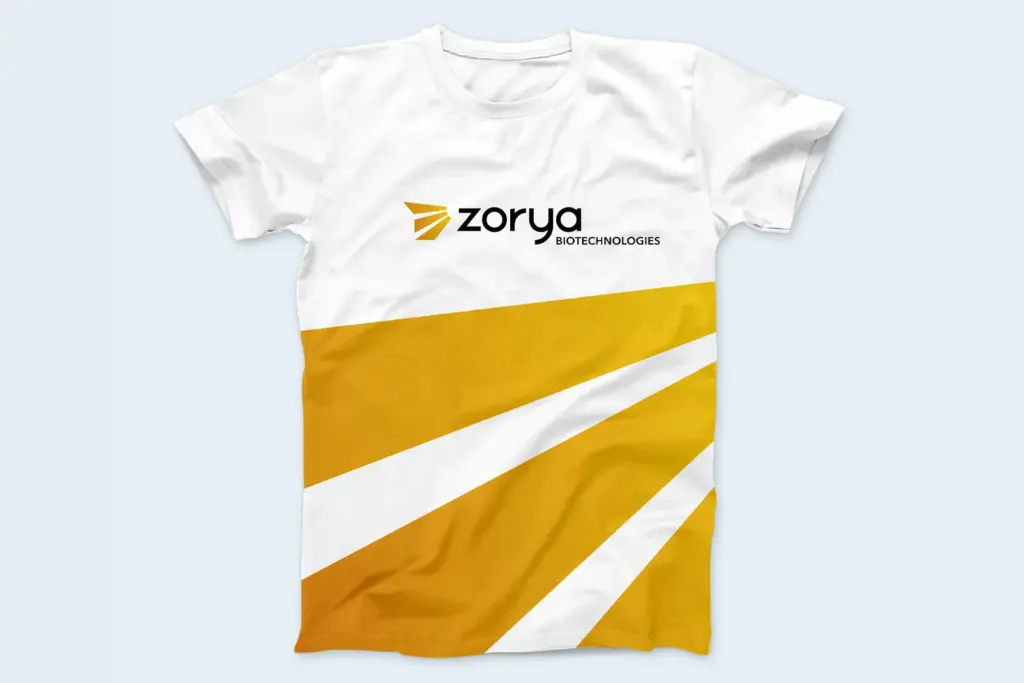
Company stamps are a traditional yet effective tool for brand building. They offer a quick and cost-effective way to personalize documents, packaging, and other products, thereby helping to increase brand awareness.
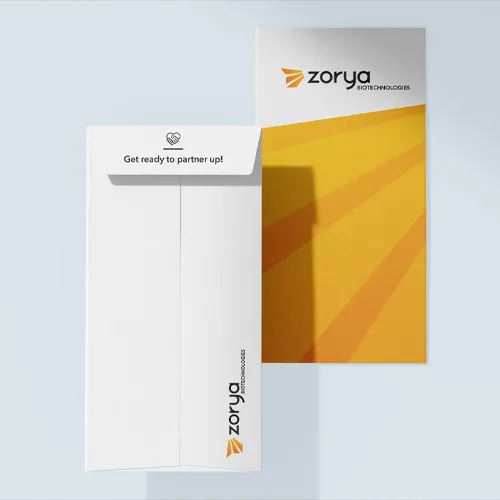
Envelopes and mailing envelopes: Well-designed branding on envelopes and mailing envelopes can reinforce a company’s identity and convey a consistent brand message. Choosing high-quality materials and eco-friendly packaging options can also highlight a company’s sustainability efforts and foster a positive perception among environmentally conscious consumers.
Invoice and order forms offer another opportunity to show your brand identity and leave a lasting impression on customers. A well-designed layout and a user-friendly structure can improve readability and make processing easier. This contributes to a positive customer experience and strengthens the company’s image.
What should you keep in mind when designing business stationery?
- Consistency: For successful branding, all components must reflect the core elements of the corporate identity, such as color schemes, fonts, and logos.
- Functionality: The design must not only be aesthetically pleasing but also functional. User-friendliness is a top priority.
- Sustainability: Consider using eco-friendly materials and production methods to emphasize environmental responsibility.
We’ll create your custom business stationery
Business stationery is more than just a necessary evil for business operations. It is an important part of brand identity that strengthens brand identity, builds trust, and improves a company’s public image and perception among its target audiences.
By following the design principles outlined above, you can create corporate stationery that is not only visually appealing but also functional and sustainable, thereby making a valuable contribution to the brand’s success.
If you’d like to have business stationery designed that immediately catches the eye, please contact us.
We’d be happy to answer your questions.

What is brand identity?
Definition and significance for your brand.
Learn more about brand identity here.

The brand identity process
How is a branding developed, and who is involved in the process?
Learn more about the brand identity process here.

How much does brand identity cost?
How much does it cost and what factors influence the cost?
Here you can learn more about the costs of brand identity.

Briefing for brand identity projects
Are you planning a brand identity project but aren’t sure exactly how to get started?
Take advantage of our brand identity briefing.