What is brand identity and why does it matter for your brand?
Author: Matthias Wimmer · Published: January 16, 2023 · Updated: July 22, 2026
Why do some brands stick in people’s minds, even without a name or slogan? Because they have a recognizable face.
This introductory article explains to small and medium-sized businesses and startups what brand identity is, how it differs from corporate identity, and what its components are. You can find more in-depth information on topics such as components, the process, costs, and colors in the linked detailed articles.
A strong corporate identity sets a company apart.
It ensures that a brand not only looks professional but also remains consistently recognizable in print, digitally, and at every touchpoint. It creates a visual identity, builds trust, and makes a company’s positioning clear.
Contents

Definition of brand identity: visual identity
Corporate identity describes your company’s visual identity. This includes the logo, colors, typography, and other design elements that shape your brand image.
Brand identity is your company’s personality in a visual form.
Brand identity ensures that your company is perceived consistently at virtually every touchpoint: on your website, in presentations, on business stationery, or on social media. A consistent brand image builds recognition, strengthens trust, and makes your brand identity visible.
The development of a brand identity includes logo design and defines the use of typefaces, colors, images, and graphics. It establishes the basic layout for all applications and specifies the proportions and relationships between the individual elements.
The design guidelines are documented in a design manual. It ensures that your brand identity remains consistent over the long term and that the brand identity is applied uniformly across all media.
What elements make up a brand identity?
Every brand speaks through color, form, and style. A strong brand identity translates your brand identity into a visual system that works across all channels. The foundation for this is a clear brand strategy, from which the brand identity is derived.
Every element plays a role in building brand image and brand recognition. Even small details, such as email signatures or profile pictures on social media, contribute to the overall impression.
Whether it’s your logo, colors, or typography, every element contributes to how your company is perceived consciously or unconsciously. Even email signatures and social media icons influence the overall image.
To ensure that your visual message remains consistent and conclusive, you need binding design guidelines. They ensure that your brand identity doesn’t become diluted but instead builds brand recognition.
As an experienced Brand Identity Agency, we ensure that all elements contribute to a consistent corporate identity.
You can find a detailed checklist of all components in our article “All Components in Detail: Brand Identity Checklist.”
Logo design
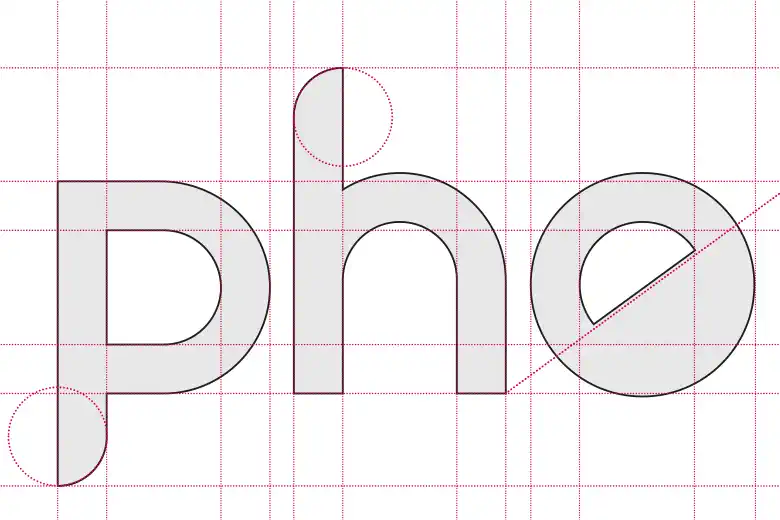
A good logo is like a visual promise.
It conveys identity, attitude, and character all in a single image. A successful logo design is clear, memorable, and versatile, both digitally and in print.
Color scheme

Colors are the emotional foundation of every brand.
They influence perception, build trust and leave a lasting impression.
For more information on this topic, see our article “Colors in Brand Identity.”
Typography & font selection
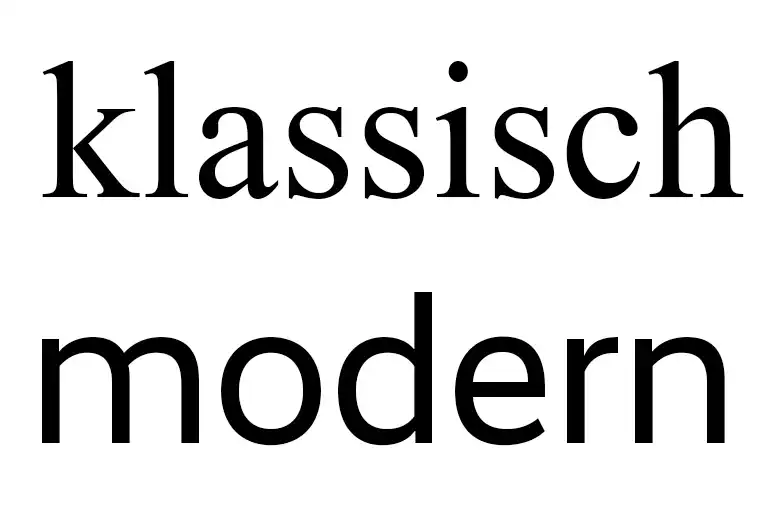
Good typography is more than just readability. It has personality.
The right typeface strengthens the brand image, conveys values, and creates visual clarity. Consistency in typefaces and their use ensures brand recognition.
Visual language

Images build trust faster than text can.
Your visual language tells stories, evokes emotions, and conveys values. A consistent style makes your visual identity distinctive and credible.
Graphics & icons
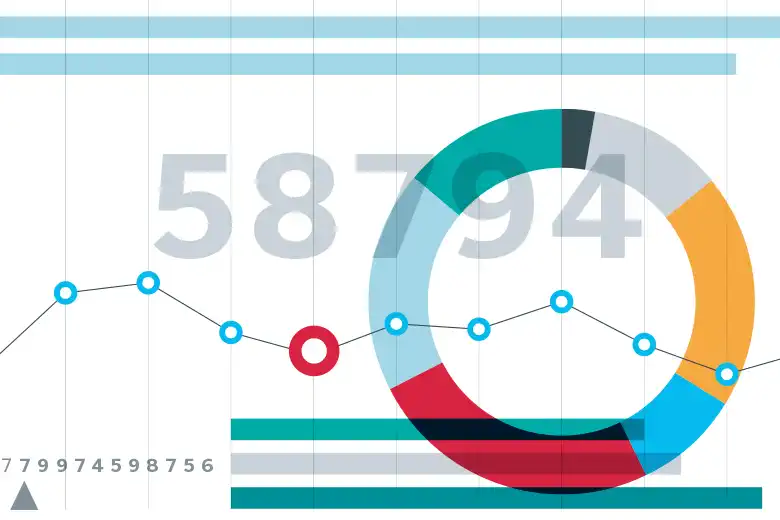
Icons and graphic design elements help users find their way around more quickly, while also enhancing brand recognition.
Whether used as a navigation aid, illustrative reinforcement, or visual accent, graphics structure content and provide orientation. The consistent, brand-aligned use of design elements contributes significantly to the visual brand identity across all media.
Layout and design grid
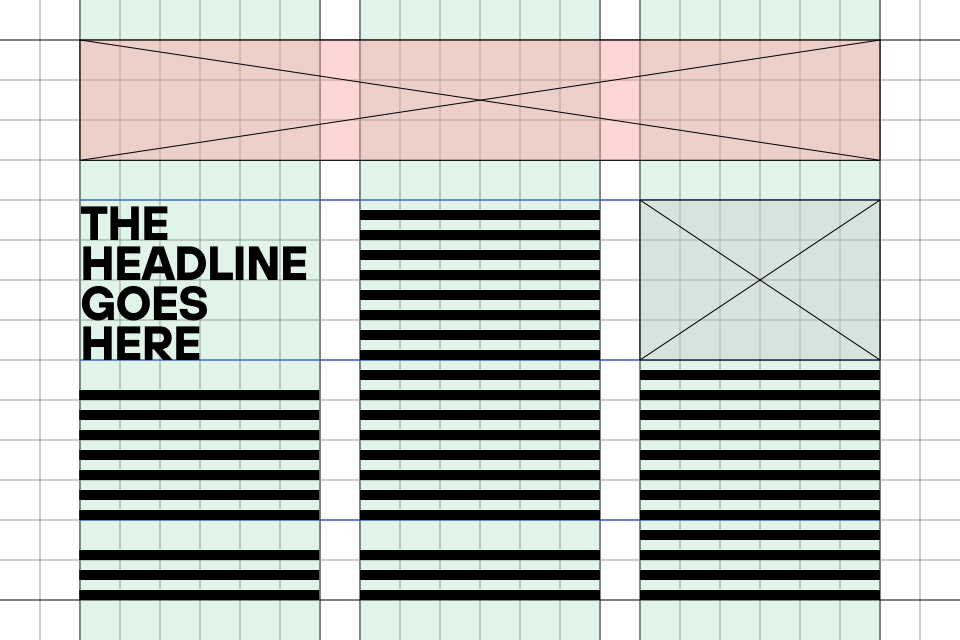
A grid brings order to all media and formats.
A layout or design grid is an invisible, structural coordinate system consisting of horizontal and vertical lines that serves to arrange text, images, and graphic elements in print media and on digital user interfaces in a harmonious, clear, and consistent manner.
When consistently applied, it functions as a blueprint for visual communication and is an important component of brand identity.
Why is brand identity important for brand building?
A professional brand identity raises your brand’s profile, builds trust, and helps you stand out from the competition in the long term. Its impact extends far beyond mere design. It manifests itself visually, psychologically, and strategically.
1 Generate attention
A well-thought-out design catches the eye and sticks in people’s minds: a clear competitive advantage.
2 Boost appeal
A professional image conveys quality and builds trust.
3 Create competitive advantages
A distinctive design visibly sets you apart from the competition.
4 Build trust
A consistent design conveys stability, professionalism, and reliability.
5 Clearly position your brand
A strong visual identity anchors your company in the long-term awareness of your target audience.
6 Foster emotional connection
A cohesive design creates a sense of closeness, goodwill and strong customer loyalty.
To learn about the specific benefits a professional brand identity offers companies and what matters most, read our in-depth article on the benefits of brand identity.
Brand identity and corporate identity: What’s the difference?
Brand identity is the visual expression of corporate identity, which is a company’s personality. While corporate identity defines a company’s stance, values, and positioning, brand identity (brand design) translates these fundamentals into a consistent visual identity.

Corporate identity: a company’s identity
Corporate identity describes your company’s unique personality:
What do you stand for? How do you conduct business? What are your brand values? How do you want to be perceived?
It encompasses three key areas:
- Corporate Behavior: How do leadership, the team, and the company behave internally and externally?
- Corporate Communication: How do you communicate with customers, partners, and employees?
- Brand identity: How is the company’s identity visually represented?
It is important to understand that “identity” does not mean being identical, but rather being clearly distinct. A clear corporate identity provides direction and builds trust. At the same time, it forms the foundation for a distinctive brand image.
Brand identity: a company’s visual identity
Brand identity translates values, attitudes, and positioning into colors, shapes, typography, and visual language.
A well-thought-out design makes a company recognizable, tangible, and trustworthy. It ensures that the message is not only communicated but also seen.
Why this distinction is important
Only when design, communication, and behavior align can a credible brand image be created.
Brand identity is therefore not an end in itself, but a tool that makes your company’s identity visible and supports its positioning.
How does brand identity work?
Good design is more than just a pretty layout. It communicates.
Brand identity conveys your brand message visually. To be effective, it must be convincing on three levels: emotionally, in terms of content, and technically.
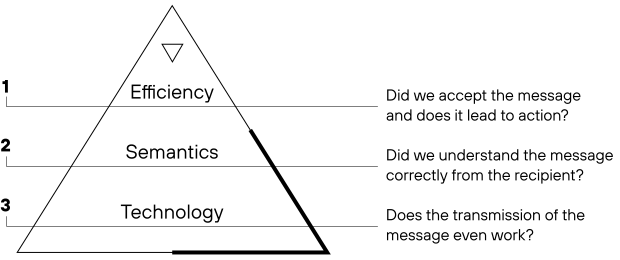
1. Emotional: Does it leave a lasting impression?
Brands are effective when they evoke emotions.
`A strong design creates connection, trust and direction. It keeps your company in people’s minds. Or better yet: in their hearts.
2. In terms of its content: Does it reflect what you stand for?
Design is never neutral. It conveys attitude, values, and positioning.
A good brand identity highlights what sets your company apart from others and what makes it recognizable.
3. Technically speaking: Does it work everywhere?
Your design must work flawlessly across all channels: online, in print, on mobile devices, and in physical spaces.
Only when colors, typography, and formats are implemented consistently can a cohesive brand identity be achieved without visual inconsistencies or unnecessary friction.
The original theory of these three levels dates back to Shannon & Weaver’s communication model (1948)—today, we reinterpret it as: brand-oriented, emotional, and user-centered.
Examples of brand identity
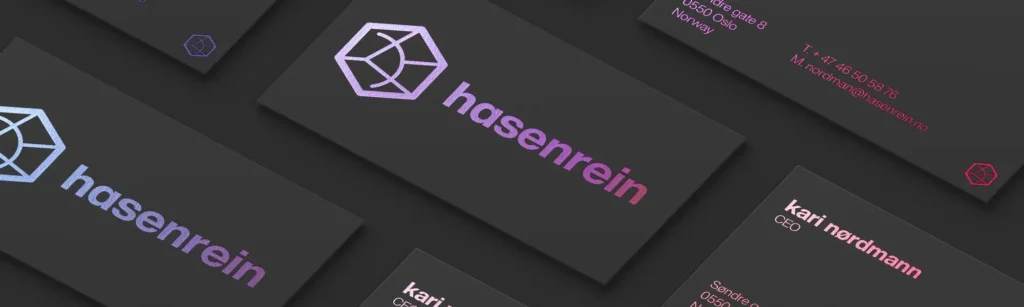
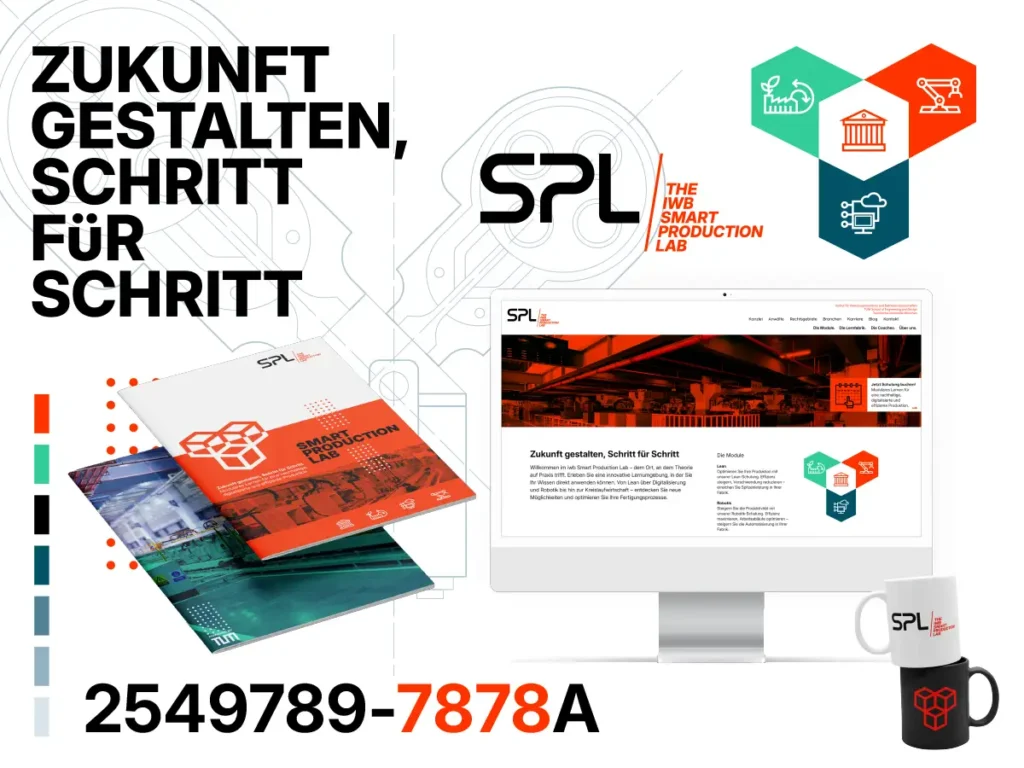
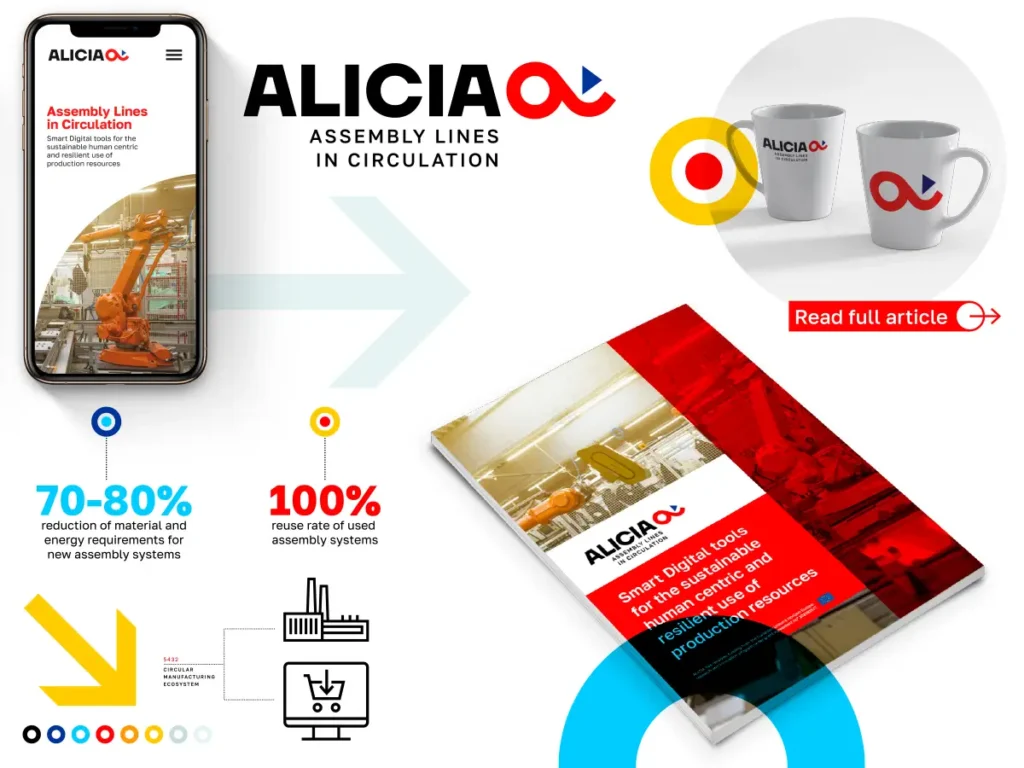
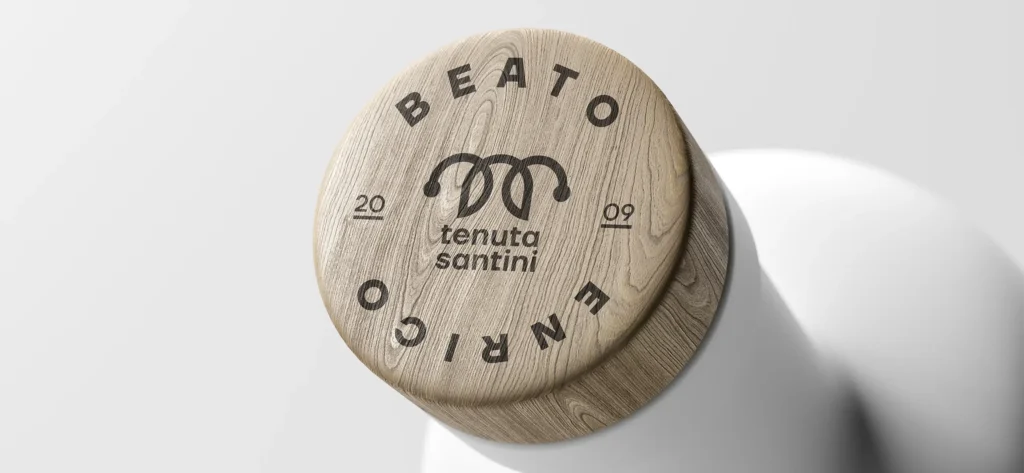
What does good brand identity look like in practice? Here, we display selected projects from our portfolio, ranging from strategic design development and relaunches to logo designs for startups and medium-sized companies.
Every project has its own unique requirements. What they all have in common is the goal of creating a distinctive visual identity that suits the company, is recognizable, and stands the test of time.

What makes for a good brand identity?
Good brand identity is more than just a beautiful logo or a harmonious color scheme. It provides guidance, improve brand recognition, and stands the test of time, regardless of trends or specific media. A few fundamental quality characteristics are key to this.

1. Uniqueness: distinctive rather than interchangeable
Good design makes a company distinctive. It clearly sets a company apart from the competition and creates a unique visual identity that leaves a lasting impression.
2. Consistency: brand recognition across all channels
Whether it’s a website, a business card, or a trade show display: Your brand image must be consistent across all platforms. Consistent design builds trust and a strong brand identity.
3. Timelessness: thinking beyond trends
A well-designed piece outlasts trends. It’s based on clear principles rather than fleeting styles and will still look professional even five years from now.
4. Scalability: suitable for any application
Brand identity needs to be able to evolve: from a startup pitch deck to an international brand universe. Clear guidelines and a flexible modular system make this possible.
5. Authenticity: credible rather than arbitrary
Design only works if it aligns with the brand’s personality. Colors, shapes, and tone must reflect what makes your company unique, both inside and outside.
6. Practicality: suitable for everyday use
Even the best concepts are useless if they don’t work in everyday life. A good brand identity is so well thought out that it’s easy to implement in practice for everyone involved.
But how do you create a brand identity meets all these requirements? The following section outlines the typical development process from the initial analysis to the finished style guide.

The brand identity process: step by step
Good brand identity doesn’t happen overnight. It is the result of a structured process: from the initial idea to consistent implementation across all channels.
A typical brand identity process consists of four key phases:
1. Briefing
Goals, target audiences, and brand values are defined collaboratively. The briefing forms the strategic foundation for the entire brand identity
2. Analysis & concept development
The market, competition, and target audience are analyzed. This leads to a design strategy that visually supports the company’s positioning.
3. Creation
Based on the strategy, the logo, color palette, typography, and other design elements are developed and integrated into a cohesive overall system.
4. Implementation & style guide
The design guidelines are documented in the brand guidelines. They ensure that your brand identity remains consistent over the long term and that the brand identity is applied uniformly across all media.
To learn more about how each project phase unfolds in detail, what results you can expect, and who is involved, check out our in-depth article on the brand identity process.
How much does it cost to develop a brand identity?
The cost of a professional brand identity depends on various factors, such as the size of the company, the scope of the project, and the number of applications required.
The starting point also plays a role: Is a brand identity being developed from scratch, or is an existing brand identity being revised and expanded?
To find out what services are typically included and how the costs are broken down, check out our detailed article:
Would you like to have a brand identity created?
Talk to us for free and with no obligation about your brand identity and your planned brand identity.
For over 25 years, we’ve been developing brand identities for small and medium-sized businesses and startups: strategically thought out, individually built, and implemented in a practical way.
Your contact for brand identity

More Insights on brand identity
Would you like to explore specific aspects in more depth? In these articles, you’ll learn more about the process, the benefits, the costs, and how to prepare for a brand identity project.

The brand identity process
How is a branding developed, and who is involved in the process?
Learn more about the brand identity process here.
What are the benefits of brand identity?
Brand identity is an investment in your company’s financial success.
Here you can learn more about the benefits of brand identity.

Briefing for brand identity projects
Are you planning a brand identity project but aren’t sure exactly how to get started?
Take advantage of our brand identity briefing.
Frequently asked questions about brand identity
What is brand identity
Brand identity refers to a company’s consistent visual identity. This includes, among other things, the logo, colors, typography, imagery, and design guidelines.
What elements make up a brand identity?
The most important components include the logo, color scheme, typography, visual language, graphic elements, and guidelines for layout and use. Which elements are needed depends on the company and the media used.
What is the difference between brand identity and corporate identity?
Corporate identity describes a company’s overall identity, including its behavior, communication, and visual design. Brand Identity is the visible part of this identity.
Why is brand identity important?
A consistent brand identity improves
How is a brand identity developed?
A brand identity is usually developed in several steps: briefing, analysis, conceptualization, design, and implementation. Finally, the design guidelines are often documented in a style guide or brand identity manual.
How much does brand identity cost?
The cost depends on the scope, the initial situation, and the number of applications required. Logo design alone is less extensive than a complete design system that includes a style guide and numerous applications.
How long does it take to develop a brand identity?
The duration depends on the scope of the project, the need for coordination, and the number of applications. A clearly defined project can be completed in a few weeks, while more extensive developments require a correspondingly longer time.